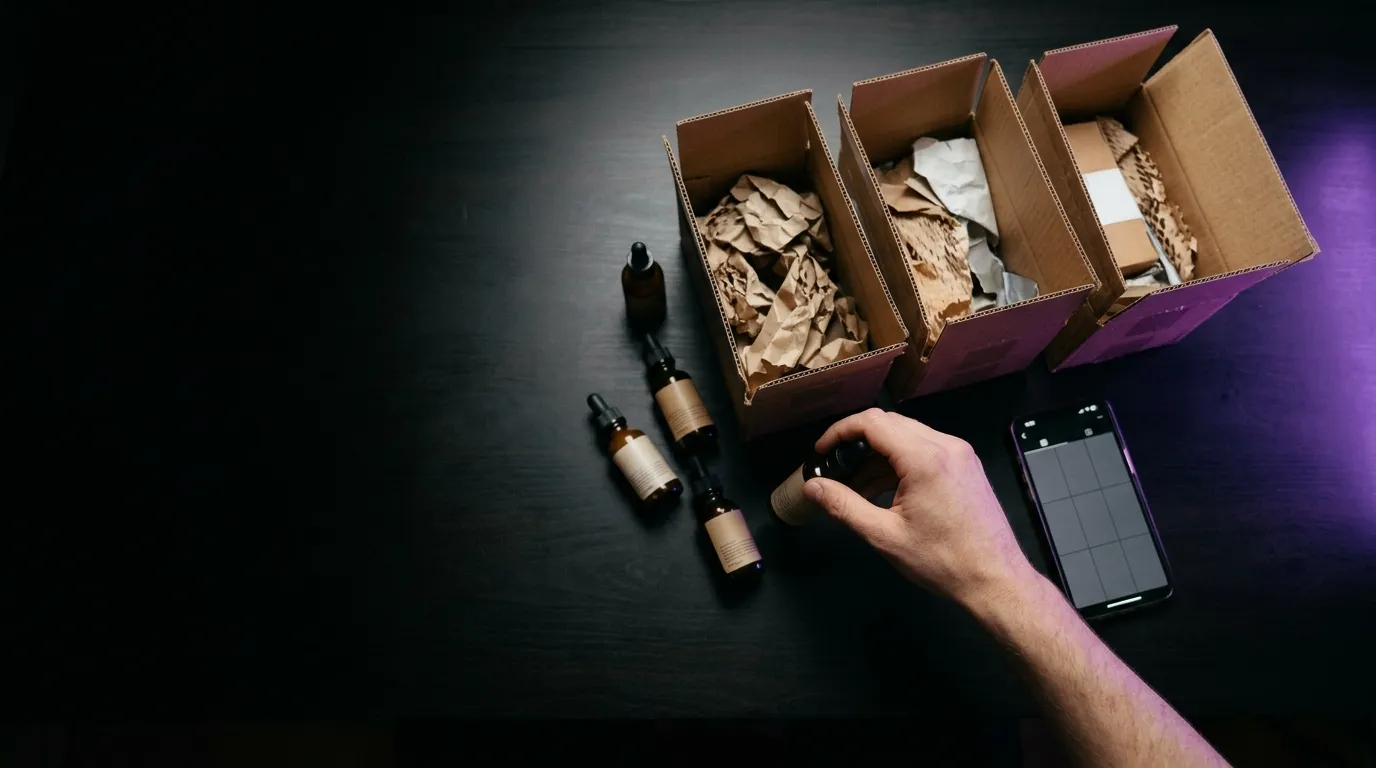
When a D2C brand hits a creative plateau on Meta, the instinct across almost every growth team is to launch a gifting sprint. Pack twenty boxes, message twenty micro-creators on Instagram, ship the parcels, and wait for authentic Reels to start arriving.
On a campaign spreadsheet, seeding looks deceptively cheap because nobody sends a production invoice upfront. Your accounting sheet only shows product manufacturing cost and forward courier charges. In practice, unvalidated creator seeding is one of the most expensive and slowest ways in Indian performance marketing to discover that an opening ad hook does not convert.
Where the 20-Box Seeding Batch Quietly Leaks Money
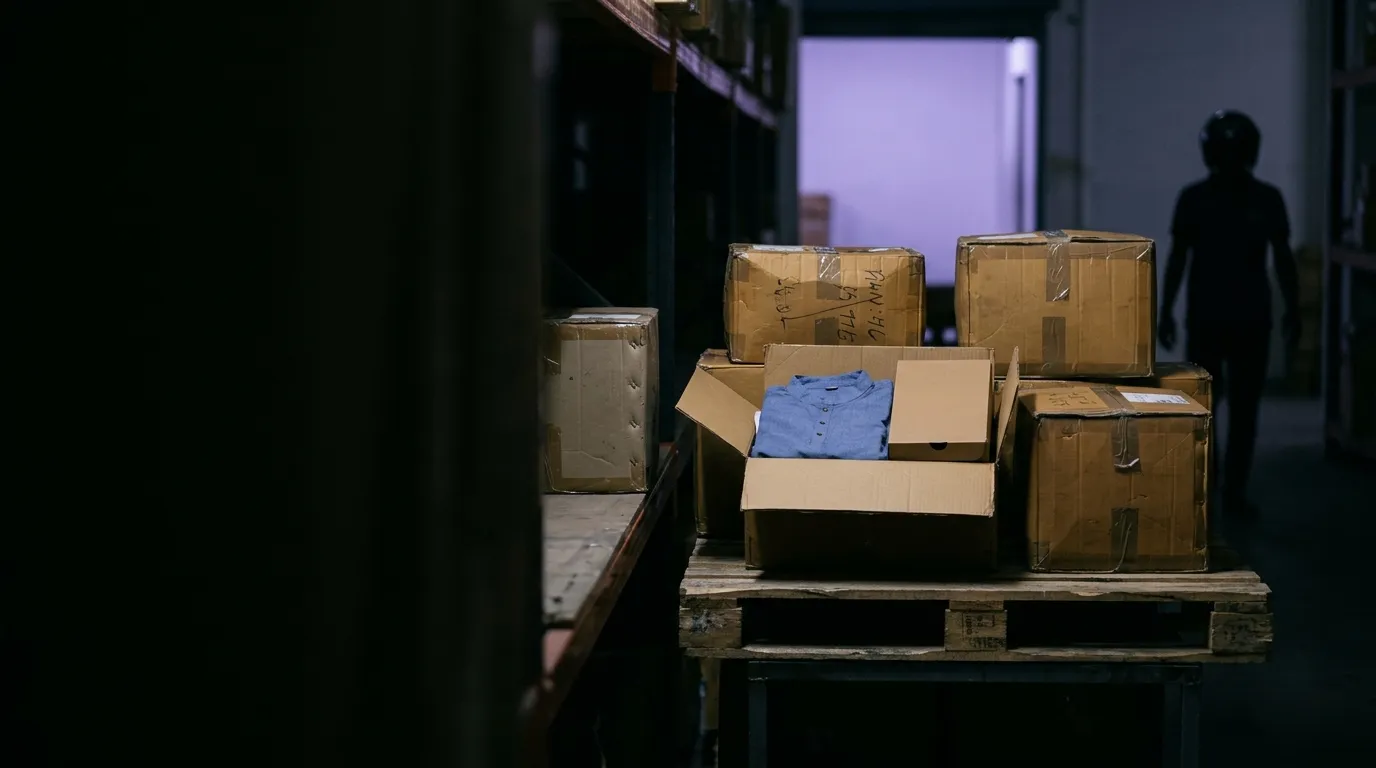
To understand why seeding stalls paid acquisition, trace the exact lifecycle of twenty boxes dispatched from a warehouse in Surat, Mumbai, or Bengaluru before a single 9:16 video goes live inside Meta Ads Manager.
1. The Post-Delivery Silence Window
Once parcels are marked delivered, roughly a third of micro-creators either miss the agreed fourteen-day turnaround window or stop replying altogether. Because no formal commercial contract governs unpaid gifting, brand managers spend hours sending polite follow-up messages that rarely accelerate delivery. Those six or seven unreturned parcels immediately become sunk inventory cost with zero creative output.
2. Technical Disqualifications for Paid Media
Among the thirteen or fourteen clips that do arrive, several fail basic paid-social technical checks. Creators film against dim bedroom windows, shoot in low-resolution front-camera modes, or overlay trending commercial audio tracks that Meta blocks from paid amplification due to music licensing restrictions. A clip that looks acceptable on an organic profile often cannot legally or visually survive inside an ad auction.
3. Brochure Recitation Instead of Hook Tension
Even when lighting and audio are clean, most micro-creators are trained to be polite product reviewers rather than direct-response copywriters. They open with low-tension greetings such as "Hey guys, look what arrived in the mail today" or read ingredient lists straight off the carton. In a cold Reels feed, polite introductions lose the majority of viewers within two seconds.
4. Missing Raw Files and Paid Usage Rights
Finally, of the five or six videos that actually follow the brief, creators frequently send compressed, watermarked exports rather than raw camera clips—or request unexpected licensing fees once you ask for Spark Ads or whitelisting access. By the end of the cycle, twenty shipped boxes routinely yield only four or five usable paid ad variations.
If your landed product plus packaging and courier cost is ₹1,200 per parcel, and your internal brand team spends twelve hours coordinating briefs, tracking links, and reminders, you did not acquire twenty low-cost ads. You burned ₹24,000 in dead inventory plus operational payroll for four usable videos—and waited three full weeks just to learn whether your core message stops the scroll.
Why Human Creators Struggle With Early-Stage Hook Discovery
This failure pattern is not a criticism of creators; it is a mismatch of roles. Human creators excel at bringing lived personality, tactile unboxing moments, and relatable social proof to a message that has already proven it resonates with buyers. They are not performance media buyers built for rapid A/B hypothesis testing.
According to Meta's official Reels creative recommendations, capturing viewer attention within the opening three seconds through immediate visual movement and clear value framing is essential for driving downstream conversions. Testing whether a skincare audience responds better to an ingredient-comparison hook, a humid-weather texture demo, or a dermatologist-myth teardown requires launching ten to fifteen distinct openings side by side.
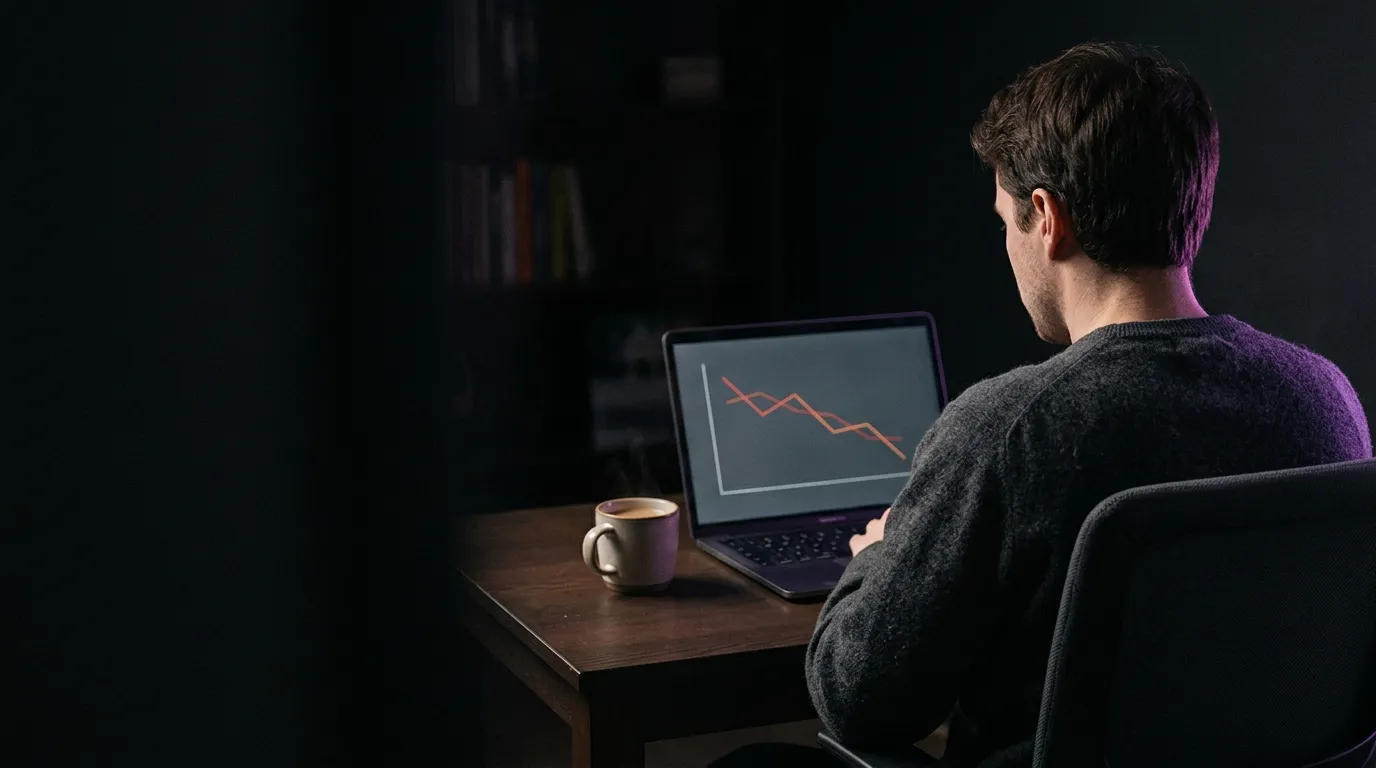
Asking a physical creator to reshoot four high-tension opening hooks means shipping extra product units, negotiating revision charges, and losing another ten days of campaign momentum. Meanwhile, your existing winning ads continue experiencing frequency fatigue and rising cost per acquisition.
The Two-Tier Production Split Used by High-Velocity D2C Teams
Instead of treating creator seeding and generative production as an either-or ideological debate, disciplined D2C teams separate angle discovery from human social proof.
Tier 1: Synthetic Hook Validation Before Shipping Any Inventory
Before a single physical box leaves your warehouse, produce twelve to twenty distinct opening hooks, pain-point angles, and on-model visual variations using structured generative workflows. Because production costs run around ₹3,000 to ₹6,500 per finished video rather than tying up weeks of studio logistics, you can test wildly different narrative angles within days. You discover in live Meta auctions which exact claim lowers cost per click and drives add-to-carts—without risking physical inventory.
Tier 2: Targeted Creator Execution Using Proven Scripts
Once campaign telemetry proves that a specific angle—for example, demonstrating how a lightweight sunscreen sits cleanly under makeup without white cast—outperforms generic routine videos by two-to-one, hand that exact winning script to five vetted creators. Because the hook and objection handling are already validated by real ad spend, every physical box shipped backs a message guaranteed to hold attention.
How to Audit Your Current Creative Pipeline Before Your Next Batch
Before approving another gifting budget or studio retainer, run three quick checks on your last thirty days of ad production:
- Calculate true cost per launched ad, not cost per parcel: Divide total COGS, shipping, agency fees, and team coordination hours by the exact number of videos that actually entered Ads Manager.
- Measure hook diversity rather than cosmetic edits: Changing background music or caption colors does not count as a new creative concept; track how many genuinely distinct opening three-second angles you launched last month.
- Check your turnaround lag: Count the calendar days between spotting creative fatigue in an ad set and launching five fresh replacement concepts.
When brands remove physical shoot bottlenecks from early creative testing, testing velocity compounds every month. You can see how high-volume generative video production works in practice on our Bulk Ad Creative service page, review how we scaled mass video variations in our XYXX apparel generative video case study, or check batch turnaround timelines and pricing tiers in our Cinqa FAQ.
Frequently Asked Questions
How many usable paid ads usually come out of a 20-creator seeding campaign in India?
Across typical Indian D2C gifting batches without strict paid contracts, brands usually get four to six videos that meet technical lighting standards, follow the performance hook brief, and include clean usage rights for paid Meta ads.
Should D2C brands stop working with human UGC creators completely?
No. Human creators remain highly effective for tactile demonstrations, community trust, and scaling proven concepts. The highest-ROI approach is using generative AI ad workflows to test and validate winning hooks first, then hiring human creators to film scripts that are already proven to convert.
How fast can generative ad creative validate a new product angle?
With a clear product brief and brand guidelines, teams can generate and launch a batch of twenty to thirty hook and format variations within two to three weeks—and even test an initial sample video within twenty-four hours—eliminating multi-week shipping and reshoot delays.